- VERSION 2.0 — UPDATED 2025
- Ashburn, Virginia · DMV
Understand Peptides. Make Smarter Decisions.
Hub Peptide is the #1 educational platform for research peptides — built for beginners and advanced researchers alike. Compare 7 labs, access science-backed protocols, and stay informed.
- ⚠ For educational & research purposes only — not medical advice
7 Labs
Compared
6+
Protocols
99%+
Verified Purity
PLATFORM OVERVIEW
7
Verified Labs
6
Active Protocols
99.6%
Top Purity Score
2025
Data Updated
Headquartered in Virginia
Ashburn, VA · DMV Area · United States
Trusted by researchers across the US
DISCLAIMER · All content on Hub Peptide is for educational and research purposes only. Not intended as medical advice, diagnosis, or treatment.
- PEPTIDE EDUCATION
Everything You Need to Know About Peptides
From complete beginner to advanced researcher — understand the science before diving into the data.
FUNDAMENTALS
What Is a Peptide?
Peptides are short chains of amino acids — the same building blocks as proteins. When your body links 2 to 50 amino acids together, the result is a peptide. They act as biological messengers, telling your cells what to do and when.
MECHANISM
How Do They Work?
Peptides bind to specific cell receptors like a key fitting a lock. Once bound, they trigger cascading biological responses — from tissue repair and hormone release to inflammation modulation and cellular regeneration.
RESEARCH INTEREST
Why Do Researchers Study Them?
Their high specificity and relatively low toxicity make peptides attractive research compounds. Scientists study them for musculoskeletal repair, metabolic regulation, anti-aging pathways, and hormonal signaling.
CLASSIFICATION
Types of Peptides
Research peptides span several categories: repair peptides (BPC-157), growth hormone secretagogues (CJC-1295), melanocortin analogs (PT-141), copper-binding tripeptides (GHK-Cu), and GLP-1 analogs (Semaglutide).
- AI + SCIENCE
Get Your Custom Protocol
Fill in your profile and our AI will generate a personalized peptide protocol tailored to your characteristics, goals, and lifestyle.
- WHO WE ARE
Open science, transparent data.
Our Mission
Democratize access to verified, science-backed information on research peptides. We provide purity data, lab comparisons, and protocols based on published scientific literature — all in an accessible, transparent format.
Our Vision
To become the global reference platform for researchers, educators, and peptide science enthusiasts — an ecosystem where scientific integrity and information quality are the absolute priority.
Based in Virginia · DMV
Hub Peptide is proudly headquartered in Ashburn, Virginia, serving the DMV region and the broader US research community with independent, unbiased peptide intelligence.
7
Labs Monitored
6+
Research Protocols
100%
Independent Data
2025
Data Updated
Built for the Research Community
Our team combines expertise in biochemistry, data analysis, and science communication to deliver the most reliable peptide intelligence available online — from Ashburn, VA to the world.
- Important Disclaimer — Educational & Research Purposes Only
All information provided on Hub Peptide is exclusively for educational and research purposes. It does not constitute medical advice, diagnosis, or treatment of any health condition whatsoever.
The peptides discussed on this platform are experimental research compounds. They are not approved by the FDA or any regulatory agency for human consumption, unless expressly prescribed by a licensed and qualified healthcare professional.
Hub Peptide is based in Ashburn, Virginia (DMV Area) and operates strictly as an educational resource. We do not sell, distribute, or endorse the use of any compound for unapproved purposes.
Always consult a qualified healthcare professional before considering any research compound or protocol. Hub Peptide assumes no responsibility for the use of this information.
- BESTSELLERS
Most Popular
Research Compounds
The most studied peptides in the research community. Hover over any vial to pause the rotation.
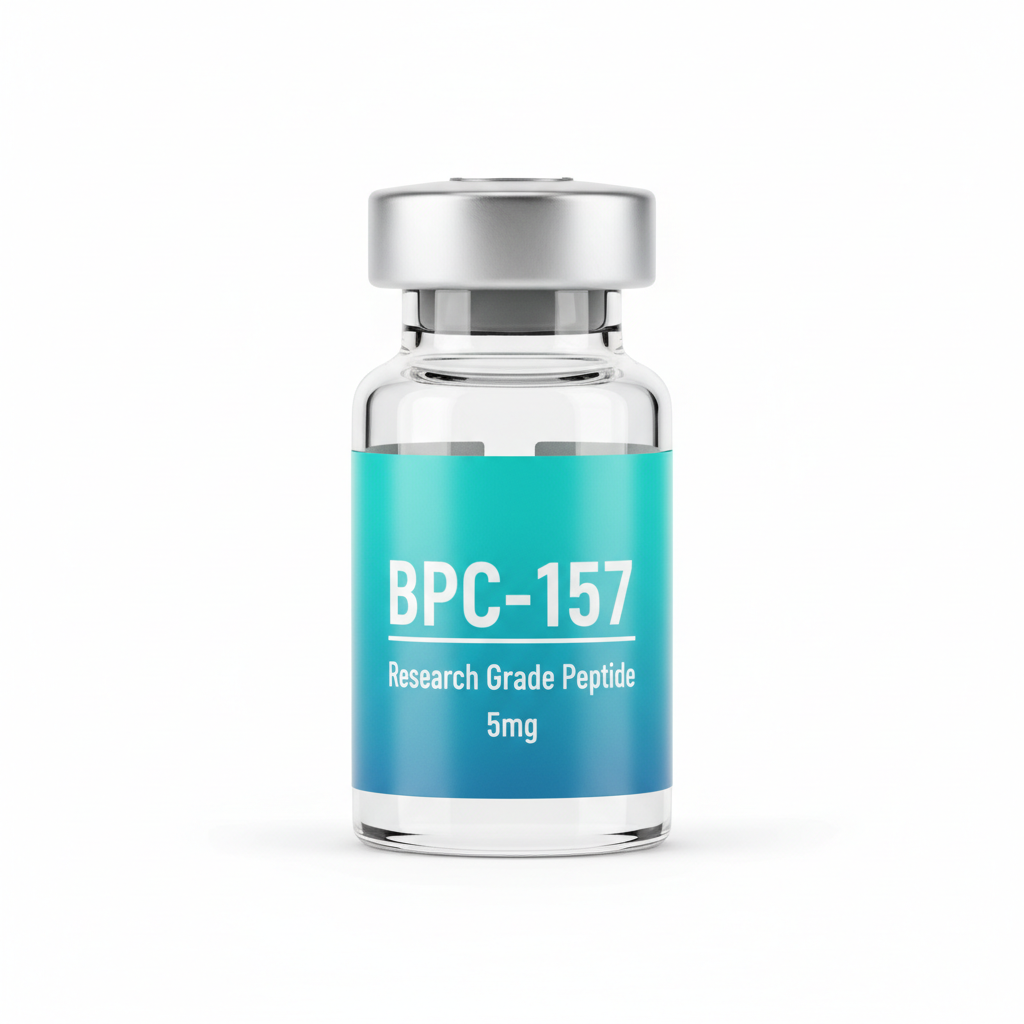
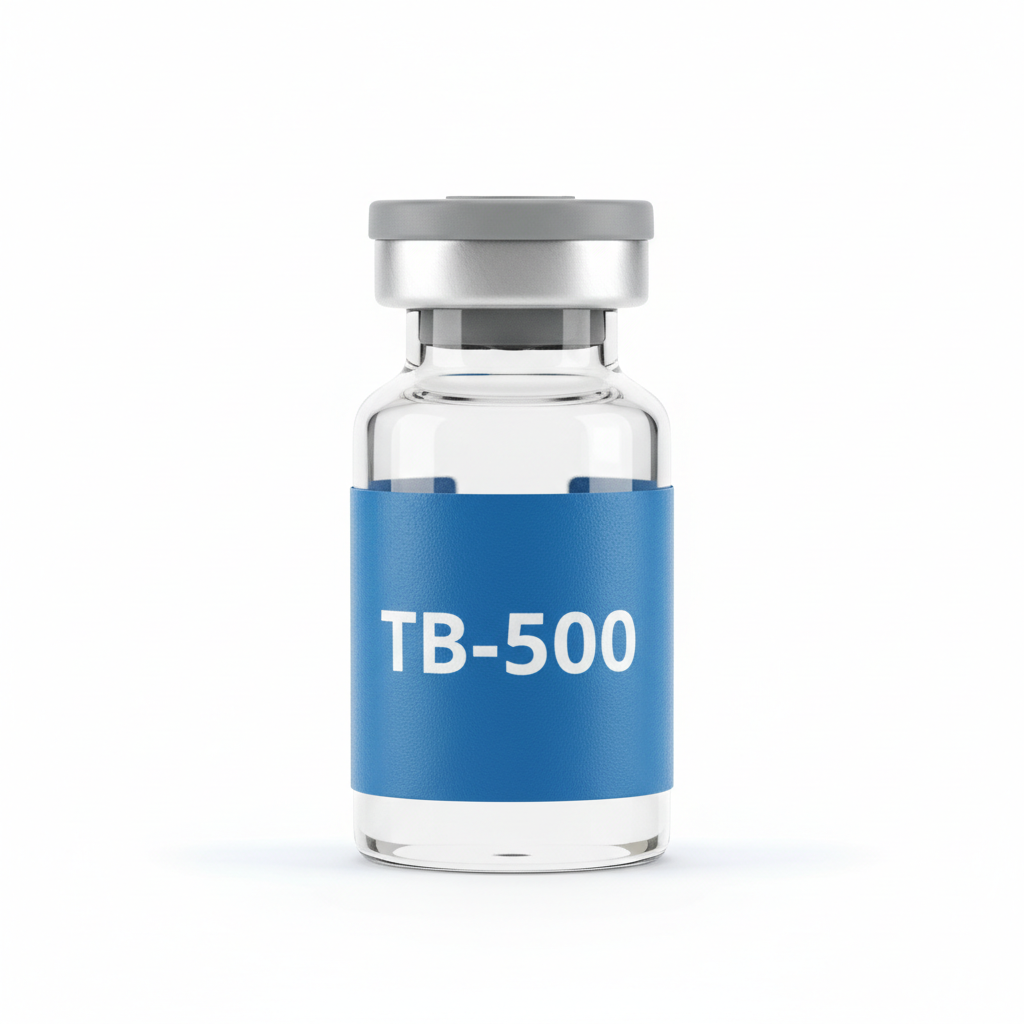
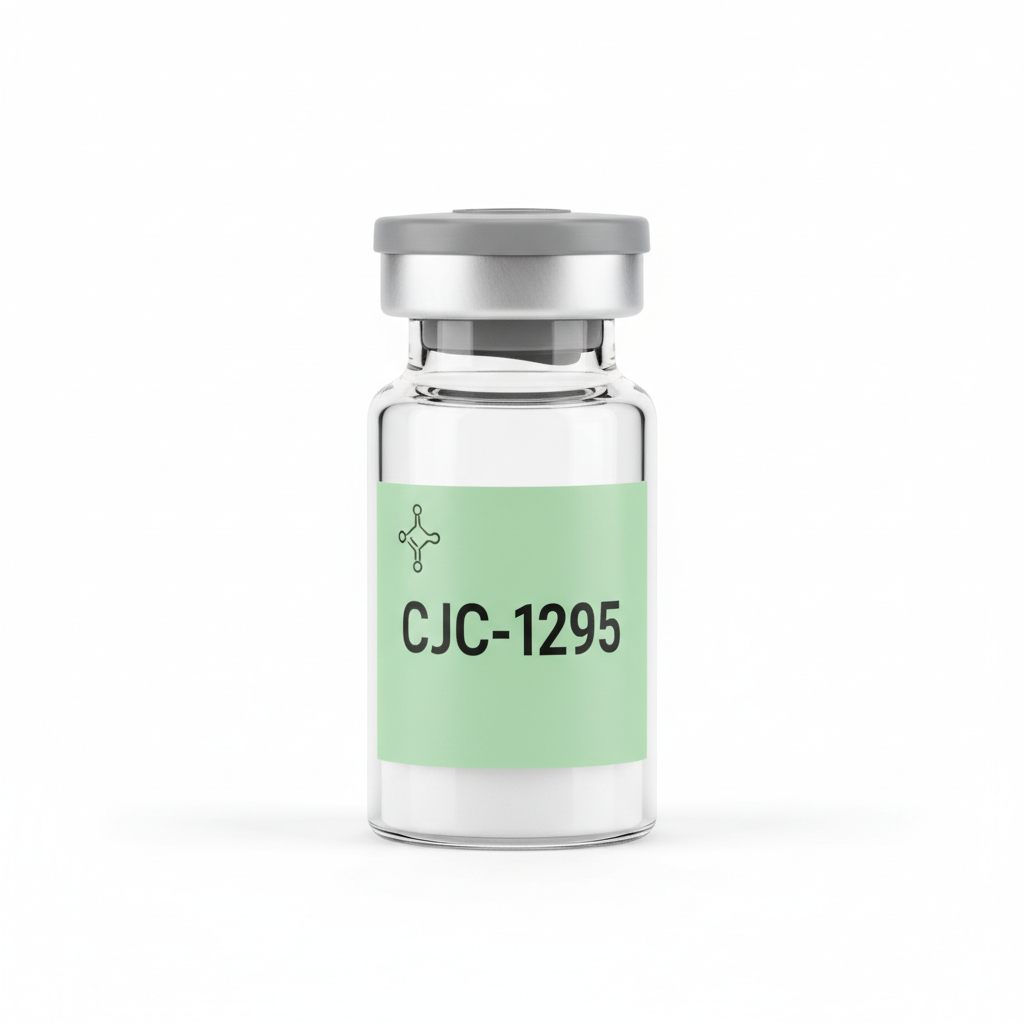
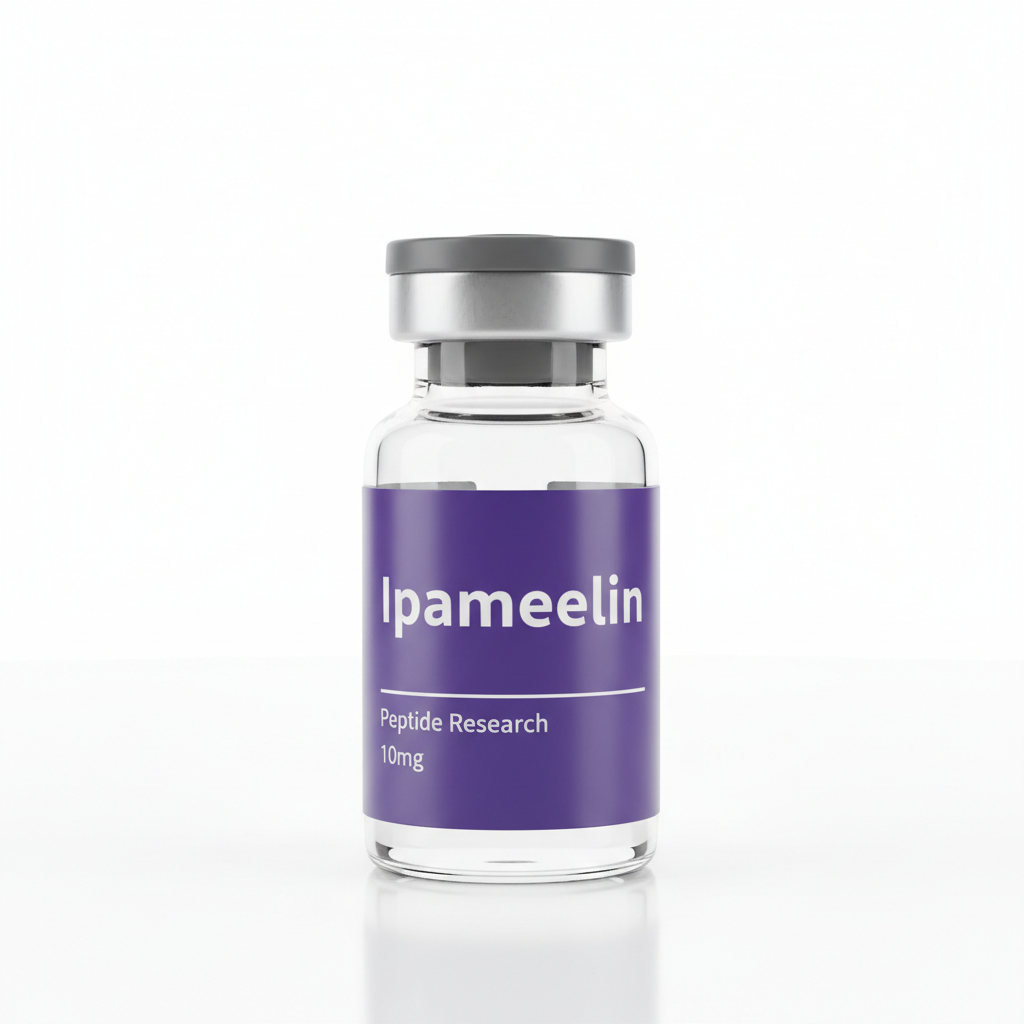
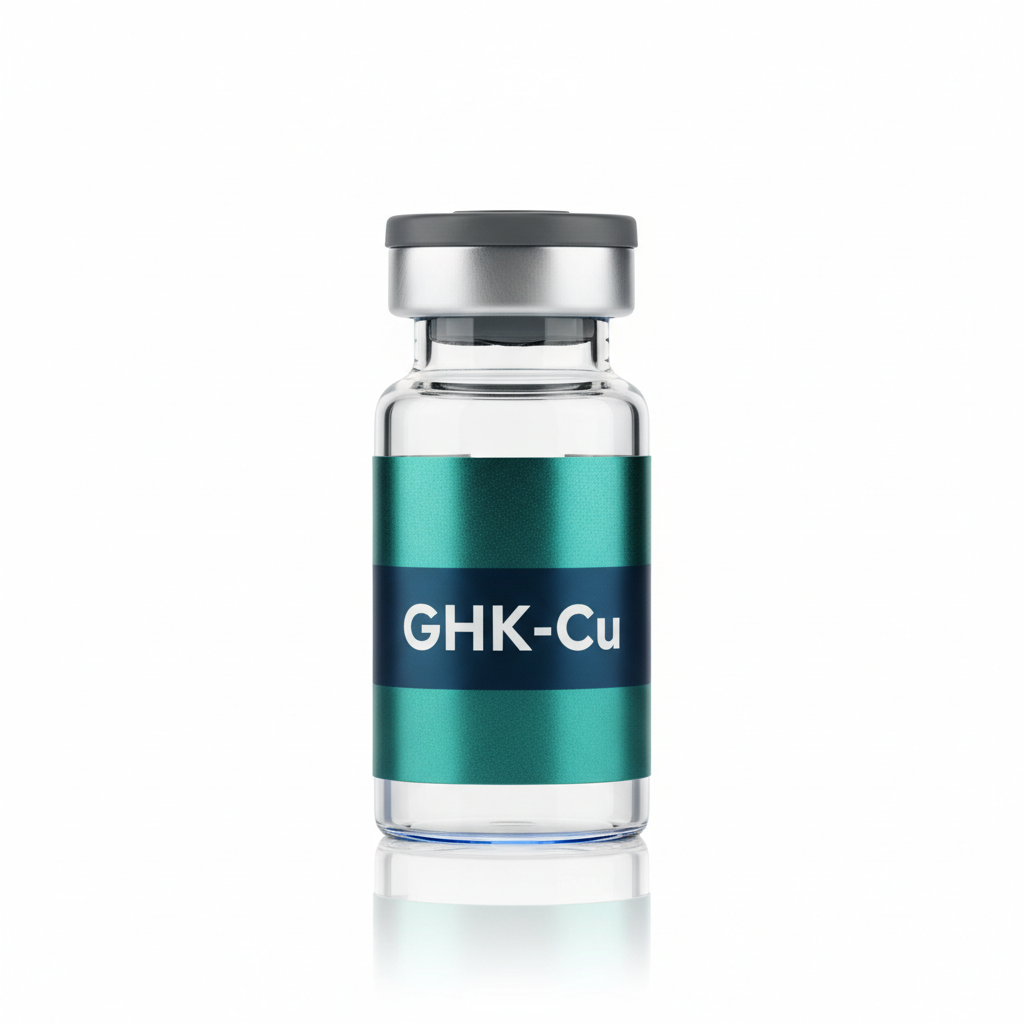
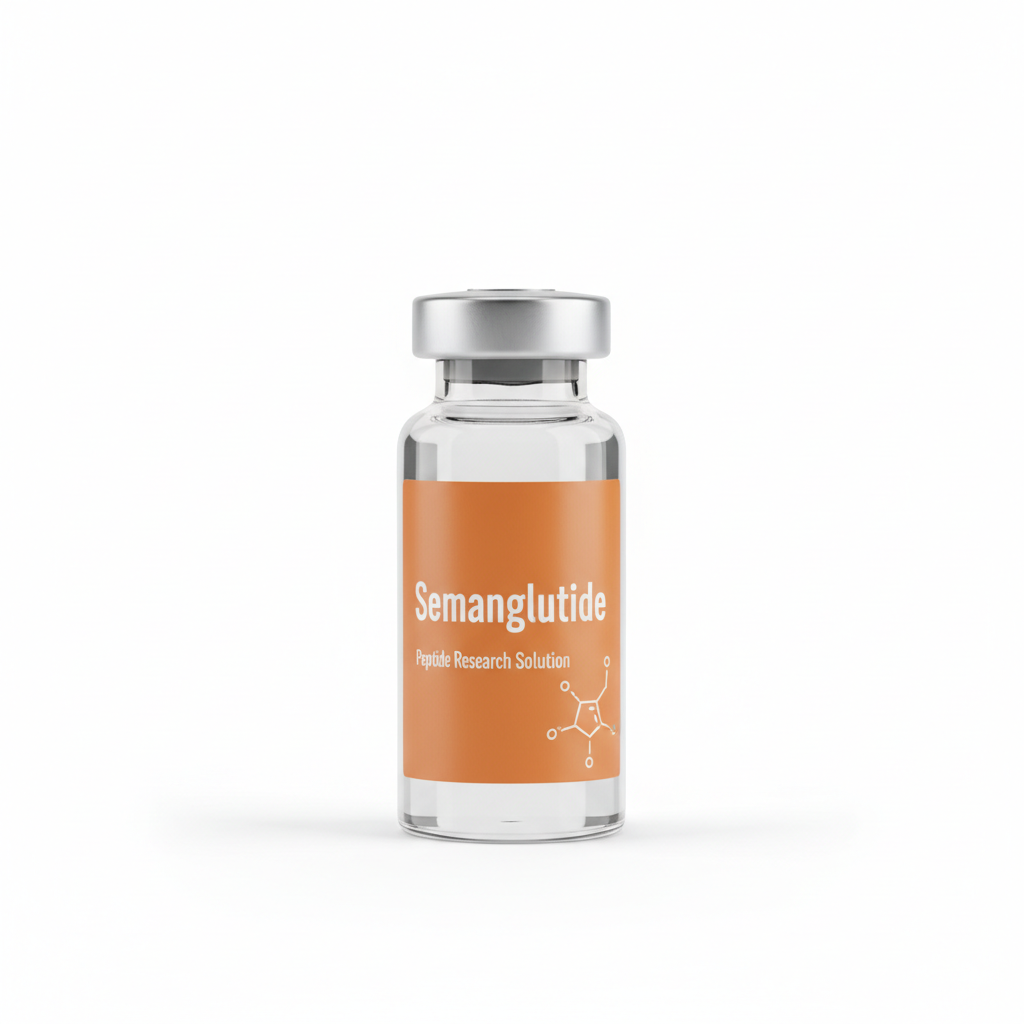
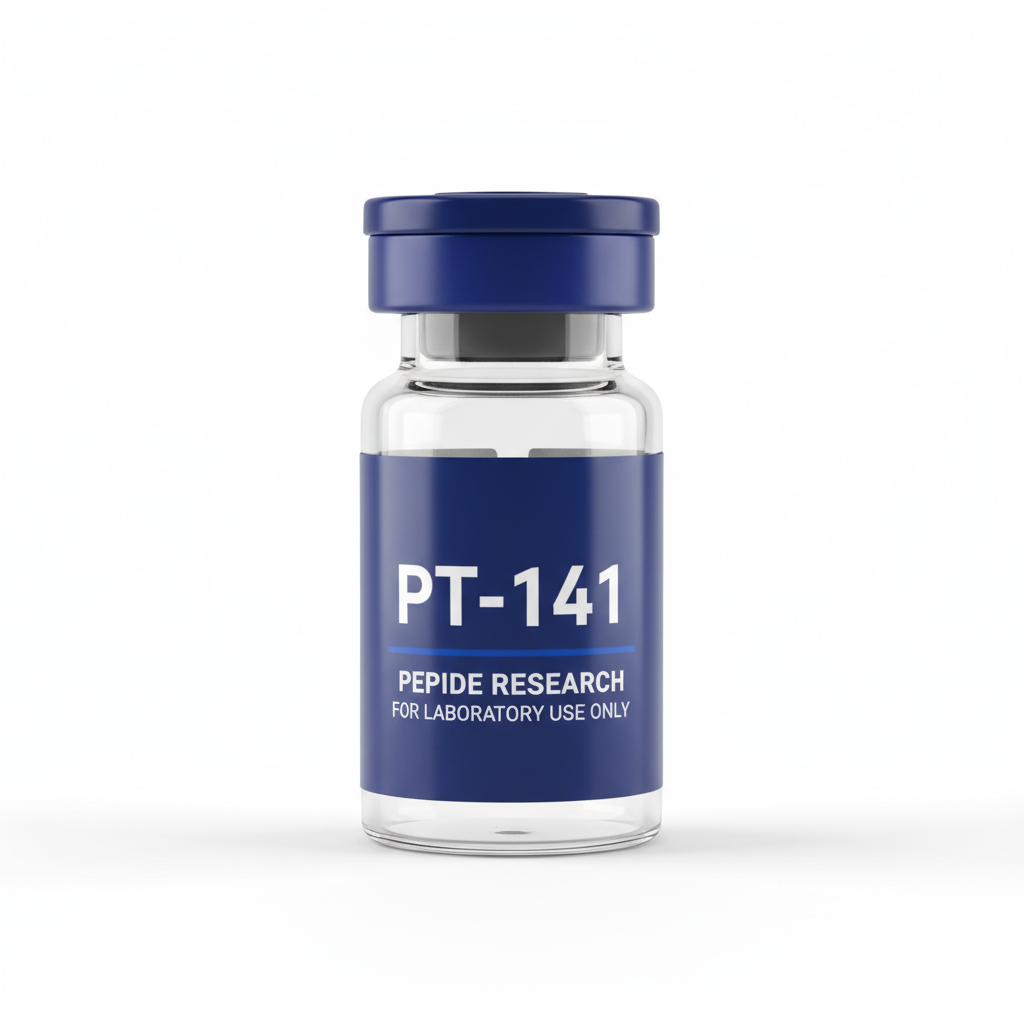
✦ For research & educational purposes only ✦
- Research Protocols
Research Blueprints
Detailed protocols based on scientific literature. Each peptide includes dosage, cycle phases, and study duration.
Skin Health
GHK-Cu
Body Protection Compound-157
- 250–500 mcg
- 6–8 weeks
Recovery
TB-500
Thymosin Beta-4
- 2–2.5 mg
- 8–10 weeks
Anti-Aging
GHK-Cu
Copper Peptide GHK-Cu
- 200 mcg
- 12 weeks
Wellness
PT-141
Bremelanotide
- 1.75 mg PRN
- As per protocol
Metabolic
Semaglutide
Semaglutide (GLP-1 analog)
- 0.25–2.4 mg
- 12+ weeks
Growth Hormone
CJC-1295 + Ipamorelin
CJC-1295 DAC + Ipamorelin
- 100 mcg each, 2–3x
- 12 weeks on / 4 off
- Lab Comparator
The Truth
Matrix
Full transparency. Compare prices, purity, shipping times, and ratings from 7 verified labs. Data updated for 2025.
Amino Asylum
-15%
- 99.1%
- 4.7
- 5–7 days (USA)
PureRawz
-20%
- 98.7%
- 4.5
- 3–5 days (USA)
Swiss Chems
-10%
- 99.4%
- 4.8
- 4–6 days (USA)
Research Intelligence
Delivered Weekly
Get the latest peptide research summaries, protocol updates, lab comparisons, and science-backed insights — straight to your inbox. No spam, ever.
For educational & research purposes only. Unsubscribe at any time.
- FAQ
Questions about peptides?
What are research peptides?
Peptides are short chains of amino acids that act as signaling molecules in the body. Research peptides are compounds synthesized specifically for laboratory and scientific research use — not for human consumption.
How is peptide purity verified?
Purity is verified through HPLC (High-Performance Liquid Chromatography) and mass spectrometry analysis. Reputable labs provide third-party Certificates of Analysis (COA) that document these results.
What is a Certificate of Analysis (COA)?
A COA is a document issued by an independent laboratory certifying the identity, purity, and concentration of a compound. It is the quality standard in the research peptide industry.
How do you reconstitute a lyophilized peptide?
Lyophilized peptides are reconstituted by slowly adding bacteriostatic water to the vial along the inner wall. Never shake vigorously. The typical ratio is 1–2 ml per vial, depending on the peptide and desired concentration.
How should reconstituted peptides be stored?
Reconstituted peptides should be refrigerated at 2–8°C and used within 3–4 weeks. Lyophilized peptides can be stored frozen at -20°C for months for greater stability.
Why do prices vary between labs?
Differences stem from factors like purity level, third-party testing, manufacturing processes, geographic location, production volume, and shipping costs. Higher price doesn’t always mean higher quality — that’s why verifying COAs is essential.
Partner With
Hub Peptide
Are you a research laboratory or peptide supplier? Join our curated network of top-tier labs and get featured in front of thousands of researchers, biohackers, and science enthusiasts every week.
Featured Placement
Your lab listed among the best on our Lab Comparator — seen by every visitor on Hub Peptide.
Weekly Newsletter
Get exposure to our growing subscriber base of researchers and peptide enthusiasts every week.
Verified Badge
Labs that meet our quality standards receive a verified purity badge on their profile.
Direct Traffic
Direct buy links from our peptide catalog send purchase-ready visitors straight to your store.
Ready to Get Featured?
Send us an email with your lab details, product catalog, and purity certificates. We'll review your application and get back to you within 48 hours.
APPLY NOW → Or email us directly at info@hubpeptide.comSubject: "Lab Partnership Inquiry"
For research & educational purposes only. Hub Peptide does not sell peptides directly.